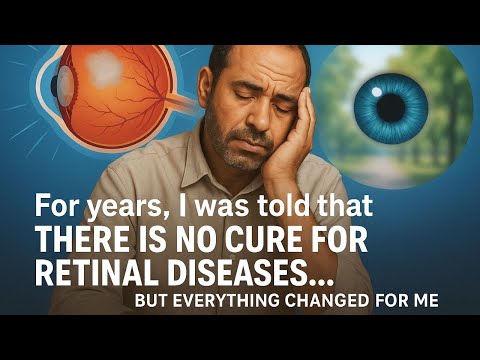
What is Stargardt disease?
Stargardt disease is an inherited retinal condition that mainly affects the macula, the area needed for detailed central vision. It is most often associated with changes in the ABCA4 gene. Symptoms may begin in childhood or adulthood.
Pathophysiology
The accumulation of lipofuscin is a key factor in causing the progressive bilateral central vision loss associated with Stargardt's disease. The disease is typically characterized by the presence of a "beaten bronze" or bull's eye appearance of the macula and subretinal lipofuscin spots.
Lipofuscin accumulation is influenced by various factors, including a deficiency in the conversion of all-trans retinol to 11-cis-retinal in RPE cells, as well as the phagocytosis of photoreceptor outer segments by RPE cells. The resulting formation of A2E can react with oxygen, leading to its conversion into A2E-epoxides upon exposure to light. A2E increases the sensitivity of RPE cells to blue light and can cause various toxic effects, including destabilization of mitochondrial and lysosomal membranes. Additionally, A2E can inhibit cytochrome c oxidase and disrupt electron flow in the respiratory chain, leading to energy metabolism deficiencies and the production of reactive oxygen species.
It has been shown that A2E accumulation and its toxic effects are light- dependent. However, destabilization of lysosomal and mitochondrial membranes can occur even in the absence of light. Studies have demonstrated that A2E can destabilize isolated mitochondria and lysosomes, indicating its ability to induce destabilization regardless of light exposure.
Symptoms of Stargardt disease
People may notice blurred central vision or blind spots, sensitivity to light, changes in colour vision and difficulty adapting between light and dark. The pattern and progression vary.
Symptoms alone do not establish a diagnosis; an eye specialist can assess their cause.

Diagnosis and ongoing care
An eye specialist may use a dilated examination, retinal imaging, retinal function tests and genetic testing to assess Stargardt disease.
Low-vision aids and rehabilitation can help with everyday activities. Research into disease-targeted treatments continues. Discuss available care and research options with a retinal specialist.
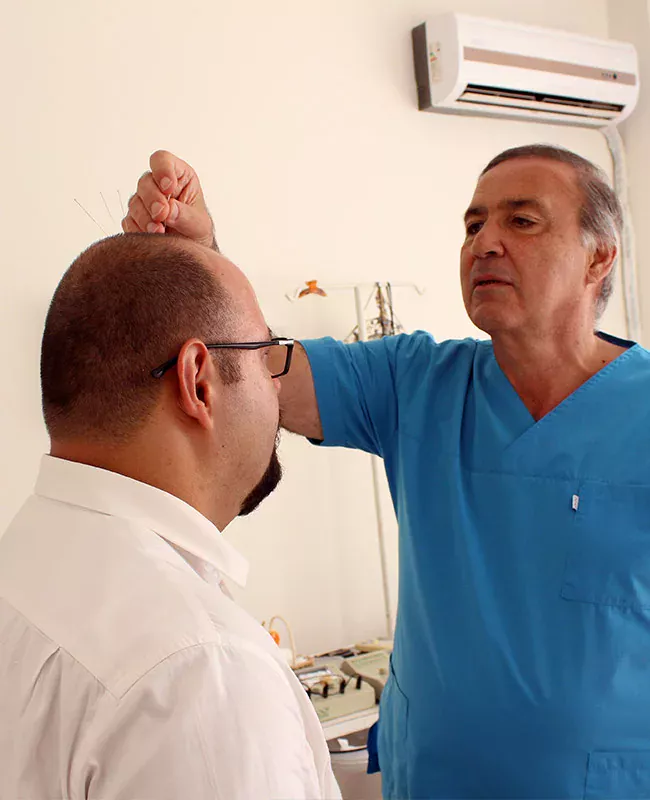
Treatment of Stargardt Disease with Electro-Acupuncture Method of Dr.Osman FIRATLI in Firatli Clinic
The treatment and its success has been presented in several World-Congresses since 2007 with the medical evidences of our own patients; comparing their own visual field tests just before the treatment and after the treatment to indicate the improvement on both peripheral and central vision.
On this web-site you can view some videos of their own; presenting their own vision field test compare and how they benefited from our treatment.
Success Rate
The aim of our treatment is not only preventing further deterioration of the eyesight but also improving the visual acuity and peripheral vision of our patients. With this purpose, our patients perform several medical tests at the eye hospitals before the therapy. These medical tests are repeated after the treatment to show the improvements that our patients also realize during their treatment period.
Considering that we only think our treatment is successful when the examinations at our clinic and the medical tests performed before and after clearly show the improvements on the eyesight and visual acuity.
Success rate of the therapy with Dr.Firatli Method is more than 90%
The combinations used during the therapy , applied treatment method and the electro-stimulation combinations depending on the type of the patient are unique and important factors on the high success rate.

Information for international patients
Fıratlı Clinic is based in Istanbul, Türkiye. If you are considering a visit, send a consultation enquiry and ask which records are needed before making travel arrangements.
- The clinic’s method and questions to discuss
- Patient stories and videos
- Planning a visit to Istanbul
- About the clinic and team
Sources and further reading
National Eye Institute: Stargardt disease.
These references support the general disease information above; they do not establish the effectiveness of the clinic’s method. Patient videos describe individual experiences.
General-information sections updated: 29 September 2026. Contact the clinic with a question or factual correction.
Patient Stories
Watch the success stories videos of the Stargardt Disease treatment from our patients!

She Was Afraid to Go Out at Night

She Saw Her Husband's Eyes Again After Years

17 Years of Searching in France — Until She Met This Doctor in Istanbul

Doctors Said 'Nothing Can Be Done' – Then She Flew to Turkey

Diagnosed Young, Told His Vision Would Fade — Until Istanbul Changed Everything
12-Year Patient Returns for Better Vision – What Changed?
How to Recognize Stargardt Disease?
Symptoms of Retinal Diseases in Everyday Life!
Living with Stargardt: A Patient’s Progress at Fıratlı Clinic